

On this page
- Understanding Veterans Home Care Benefits
- Who Qualifies for Aid and Attendance?
- For Veterans
- For Surviving Spouses
- Income and Asset Limits
- How Much Can You Receive?
- What Expenses Does Aid and Attendance Cover?
- How to Apply for Veterans Home Care Benefits
- Step 1: Gather Required Documents
- Step 2: Complete VA Forms
- Step 3: Submit Your Application
- Step 4: Wait for a Decision
- Getting Help with Your Application
- Other VA Programs That May Help
- VA Health Care
- Program of Comprehensive Assistance for Family Caregivers
- Veterans Directed Care
- Common Questions About Veterans Home Care Benefits
- Can I receive Aid and Attendance if I'm already receiving VA disability compensation?
- Can my family member be paid to provide my care?
- What if I need care now but the application takes months?
- Do I need to have a service-connected disability to qualify?
- Taking the Next Step
Understanding Veterans Home Care Benefits

If you're a veteran or the surviving spouse of a veteran, you may be eligible for financial assistance to help pay for home care services. Many families don't realize these benefits exist, which means they miss out on support that could make a real difference in their quality of life.
The most common program that helps veterans and surviving spouses pay for home care is called Aid and Attendance. This is a pension benefit through the Department of Veterans Affairs (VA) that provides monthly payments to help cover the cost of care at home, in assisted living, or in a nursing home.
Who Qualifies for Aid and Attendance?
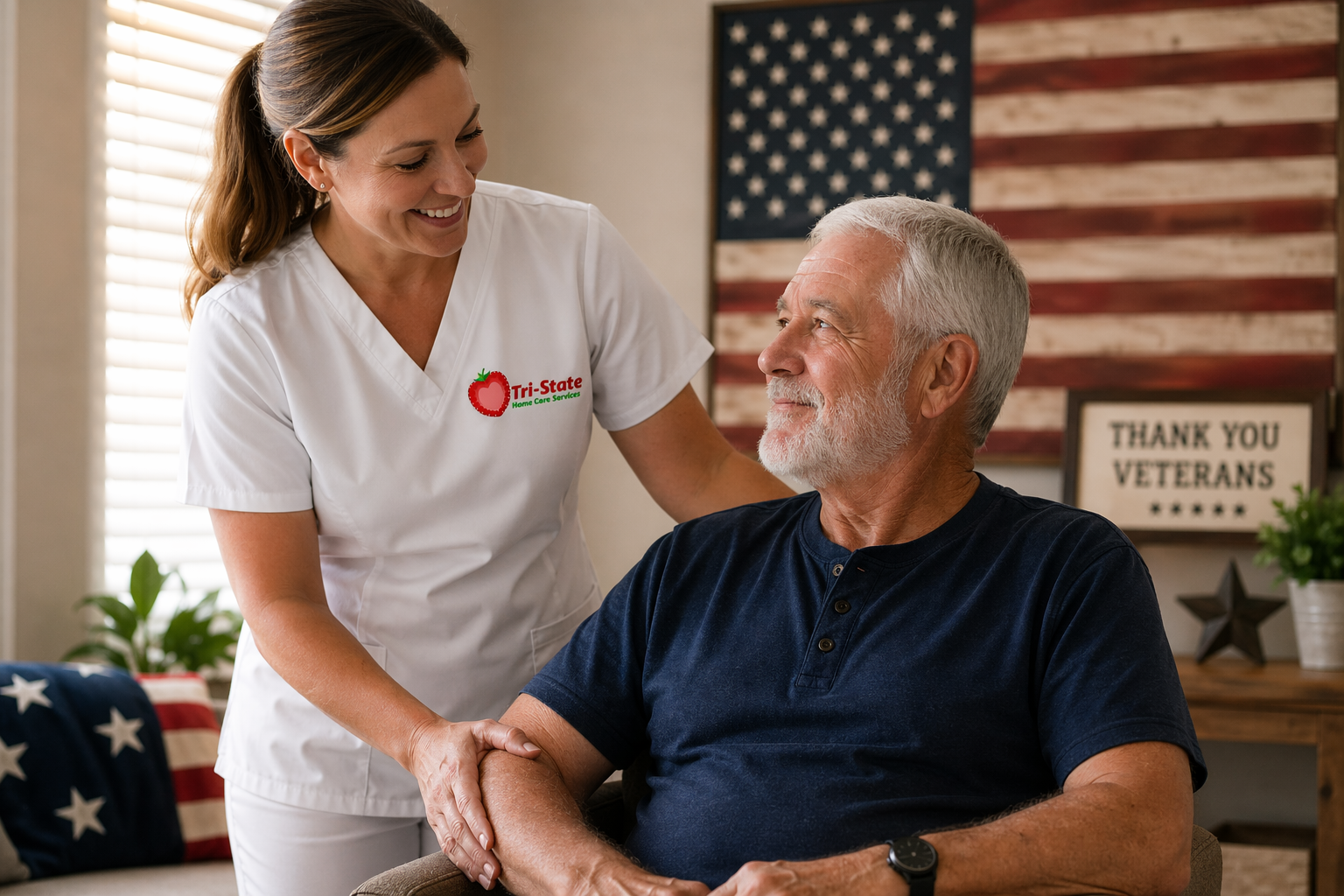
Aid and Attendance benefits are available to veterans and surviving spouses who meet specific criteria.
For Veterans
To qualify, a veteran must meet all of these requirements:
- Service requirements: Served at least 90 days of active duty, with at least one day during a period of wartime (you don't need to have served in combat)
- Discharge status: Received a discharge other than dishonorable
- Age or disability: Be age 65 or older, or permanently and totally disabled
- Care needs: Need help with daily activities like bathing, dressing, eating, or using the bathroom—or be housebound due to disability
For Surviving Spouses
A surviving spouse may qualify if:
- They were married to a veteran who met the service requirements above
- They have not remarried (in most cases)
- They need help with daily activities or are housebound
Income and Asset Limits
Aid and Attendance is a needs-based benefit, which means your income and assets must fall below certain limits. These limits change annually, so it's important to check current thresholds or speak with a VA representative.
Generally, the VA looks at your household income minus unreimbursed medical expenses (including the cost of home care). Many families who initially think they won't qualify discover they do once medical expenses are deducted.
How Much Can You Receive?

The monthly benefit amount varies based on your situation. As of recent rates, maximum monthly payments are approximately:
- Veteran with spouse: Around $2,300–$2,400
- Veteran without spouse: Around $1,900–$2,000
- Surviving spouse: Around $1,200–$1,300
These amounts can change each year, so verify current rates with the VA. The benefit is paid directly to you, and you can use it to help pay for home care services, assisted living, or other care-related expenses.
What Expenses Does Aid and Attendance Cover?
The monthly benefit can be used for a wide range of care-related costs, including:
- Personal care assistance at home
- Companion care
- Homemaker services
- Adult day care programs
- Assisted living facility costs
- Nursing home care
- Medical alert systems
- Home modifications for safety
You have flexibility in how you use the funds, as long as they're going toward your care needs.
How to Apply for Veterans Home Care Benefits
Applying for Aid and Attendance requires gathering documentation and completing VA forms. Here's what the process typically involves:
Step 1: Gather Required Documents
You'll need:
- Military discharge papers (DD Form 214)
- Marriage certificate (if applying as a spouse)
- Death certificate (if applying as a surviving spouse)
- Medical records documenting your care needs
- Financial records showing income and assets
- Documentation of medical expenses, including home care costs
Step 2: Complete VA Forms
The main forms you'll need are:
- VA Form 21P-527EZ (Application for Pension)
- VA Form 21-2680 (Examination for Housebound Status or Permanent Need for Regular Aid and Attendance)
Your doctor will need to complete the medical examination form.
Step 3: Submit Your Application
You can submit your application:
- Online through the VA website
- By mail to your regional VA pension management center
- In person at a VA regional office
- With help from a Veterans Service Officer (VSO)
Step 4: Wait for a Decision
Processing times vary, but it typically takes several months to receive a decision. The VA may request additional documentation during the review process.
Getting Help with Your Application
The application process can feel overwhelming, but you don't have to navigate it alone. Free assistance is available through:
- Veterans Service Officers (VSOs): Accredited representatives who help veterans file claims at no cost
- County Veterans Service Offices: Local offices that provide application assistance
- VA regional offices: Staff who can answer questions and help with paperwork
Be cautious of anyone who charges large upfront fees to help you apply. Legitimate VSOs provide free assistance.
Other VA Programs That May Help
Beyond Aid and Attendance, veterans may qualify for additional support:
VA Health Care
Enrolled veterans can receive health care services through the VA system, which may include:
- Home-based primary care
- Skilled home health care
- Homemaker and home health aide services
- Respite care for family caregivers
Program of Comprehensive Assistance for Family Caregivers
If you're caring for a veteran who was seriously injured in the line of duty on or after September 11, 2001, you may qualify for:
- Monthly stipend
- Health insurance (if not already covered)
- Mental health services
- Caregiver training
- Respite care
Veterans Directed Care
Some veterans can use VA funds to hire and manage their own caregivers, including family members, through a self-directed care program.
Common Questions About Veterans Home Care Benefits
Can I receive Aid and Attendance if I'm already receiving VA disability compensation?
You cannot receive both Aid and Attendance pension and VA disability compensation for the same condition. However, if you receive disability compensation, you may be eligible for an Aid and Attendance allowance added to your disability payment if you meet the care requirements.
Can my family member be paid to provide my care?
In most cases, the Aid and Attendance pension is paid to you, and you decide how to spend it. Some VA programs, like Veterans Directed Care, specifically allow you to hire family members as paid caregivers.
What if I need care now but the application takes months?
Start the application process as soon as possible. In the meantime, explore other options like Medicaid, long-term care insurance, or payment plans with home care agencies. Once approved, Aid and Attendance benefits are typically paid retroactively to the date of your application.
Do I need to have a service-connected disability to qualify?
No. Aid and Attendance is a pension benefit, not a disability benefit. You don't need to have a disability related to your military service—you just need to meet the wartime service requirements and have current care needs.
Taking the Next Step
If you're a veteran or surviving spouse who needs help with daily activities, exploring Aid and Attendance benefits is worth your time. The monthly financial support can make home care more affordable and help you maintain independence and quality of life.
Start by:
- Contacting your local Veterans Service Office to discuss your situation
- Gathering your military service records and medical documentation
- Talking with your doctor about completing the required medical forms
- Reaching out to a home care agency to understand your care options and costs
At Tri-State Home Care Services, we're experienced in working with veterans and their families. We can provide documentation of care costs to support your application and work with you to create a care plan that fits your needs and budget.
You've served our country—now let us help you access the benefits you've earned. Contact your local VA office or a Veterans Service Officer today to learn more about what's available to you.